
Anatomy & PhysiologyWhite blood cells are not one interchangeable group. Follow how neutrophils, monocytes, eosinophils, basophils and lymphocytes behave during infection, inflammation and immune responses, then see how...
Open learning page →

Anatomy & PhysiologyExplore the 23 human chromosome pairs, examples of the genes and functions carried on each, and how trisomies, monosomies, deletions, duplications and other chromosome changes can...
Open learning page →

Anatomy & PhysiologyUnderstand ABO and RhD blood groups, how antibodies affect red-cell compatibility, why matching extends beyond A, B, AB and O, and what rare phenotypes such as...
Open learning page →

Anatomy & PhysiologyFollow haemostasis from the moment a blood vessel is damaged: platelet adhesion and activation, thrombin and fibrin formation, natural anticoagulant control and fibrinolysis, with clinical links...
Open learning page →

Anatomy & PhysiologyThe spleen filters circulating blood, removes ageing and abnormal red cells, supports immune responses and helps protect against serious infection. Learn how its anatomy explains blood-film...
Open learning page →

Anatomy & PhysiologyA blood sample can produce dozens of separate results, but they all come from the same circulating tissue. Follow plasma, blood cells and volume changes from...
Open learning page →

Anatomy & PhysiologyBone marrow is where blood-cell production begins. Learn how haematopoietic stem cells produce erythrocytes, leucocytes and platelets, how the marrow responds to demand, and what happens...
Open learning page →

Anatomy & PhysiologyFollow an infection from first exposure to immune memory: antigen presentation, clonal selection, B cells, T cells, antibodies and why vaccination creates a prepared immune response.
Open learning page →
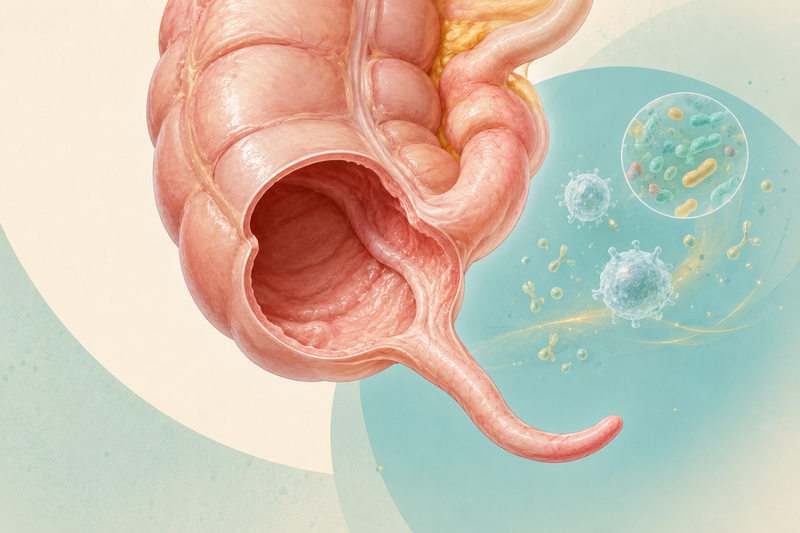
Anatomy & PhysiologyWhat current research suggests about the appendix, including immune tissue and a possible role in the gut microbiome.
Open learning page →

Anatomy & PhysiologyA patient can be profoundly anaemic while their oxygen saturation still reads 98%. Follow the red blood cell from bone marrow to tissue oxygen delivery and...
Open learning page →

Anatomy & PhysiologyHow the thin endothelial lining of blood vessels helps regulate vascular tone, clotting, inflammation and fluid movement.
Open learning page →


